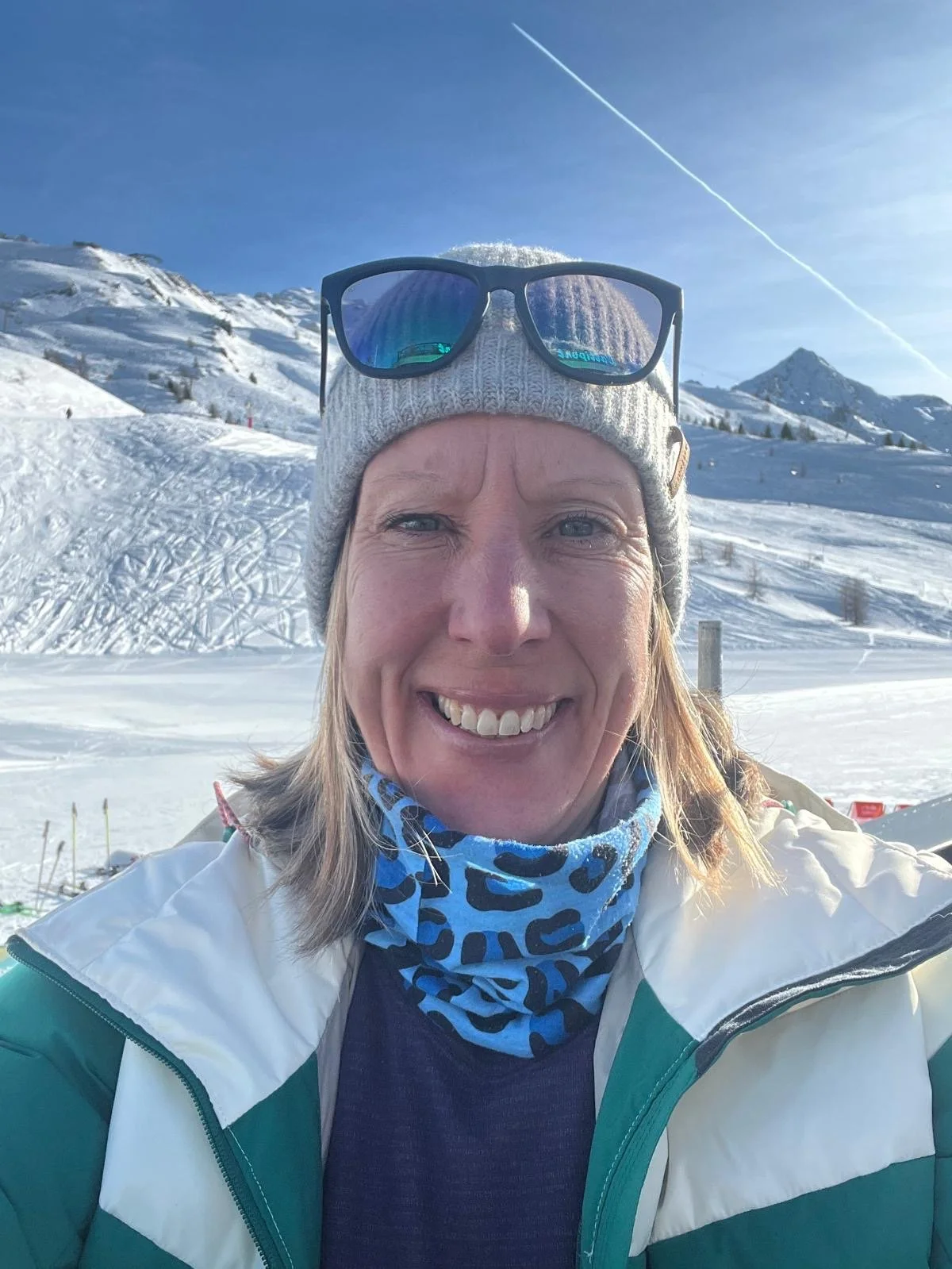
The shocking state of Women’s Health...
October is Menopause Awareness Month.
Women’s health is in dire straits.
We desperately need more research, training, education, awareness and understanding around perimenopause and menopause.
A recent ITV investigation revealed that, within many institutions, Doctors receive just one hour of formal teaching around menopause during a five-year degree. 1 hour for something that around 51% of the population will experience, at varying levels of severity, with a huge range of symptoms from physical pain and discomfort to emotional distress and feelings of hopelessness; it can have serious implications for physical and mental wellbeing, and life.
For many, it can take years of suffering, searching for answers, and trying to find the right treatment. Many leave their jobs and careers, struggle with day-to-day functioning and responsibilities, and, more than we would like to admit, experience suicidal thoughts. As one woman says at the start of the ITV programme, ‘I can see why women take their own lives’.
Two Taboos: Miscarriage & Peri/Menopause...
Nearly 10 years on from the start of our miscarriage journey, which saw me failed by a lack of care, support and treatment, and the NHS postcode lottery (we were initially well looked after at the Early Pregnancy Unit at Dorset County Hospital, but had to move due to my husband's military posting, and received a tragically different level of care in Gloucestershire), I’m now a good few years into perimenopause, and experiencing, and seeing, such an appalling lack of support for, and understanding of women’s health all over again.
Perimenopause likely began for me before I realised it: somewhere along the blurred line from breakdowns, anxiety disorder and post-traumatic stress coming to terms with our journey through baby losses, to perimenopause kicking off. I didn’t know much about it, not sure if I’d even heard the term “perimenopause” back then, it wasn’t something I remember learning about at school, or a Doctor ever mentioning it to me, and, until more recently, wasn’t talked about openly to improve awareness and education, and prepare women for what it could mean, and their partners, families, and workplaces for the support they may need.
Just like miscarriage and baby loss, it’s another taboo topic, something that women have ended up having to deal with privately, and alone, without adequate support, whatever the impact on their physical and mental health. When we do start to realise what might be happening and pluck up the courage to seek help, it’s often a fight to get an appointment, be seen, be heard, and taken seriously.
Ignored, dismissed, begging for appointments...
Looking back, I started on antidepressants in 2021 but the Doctor never raised perimenopause with me, or in their notes on my NHS app patient record, as a consideration at that time, despite my age of 45. Just over a year later, in 2022, I requested an appointment to discuss possible perimenopause symptoms. Still waiting for an appointment a month on, it was only when I broke down in tears at a cervical smear appointment a few weeks later, (my first since our baby loss journey ended, and which I hadn’t even considered could trigger so much), that the lovely nurse suggested I spoke to a GP about perimenopause and HRT, and booked me an appointment there and then. After chatting with an understanding GP, she sent me info on HRT to read through, told me to think about what would work best for me, and then to to call back.
I took some time to think about HRT, whether I needed it, whether I wanted to use it, and what format I felt would suit me and my lifestyle best. Once I’d decided I wanted to give it a go, and realised that I was struggling to cope with my symptoms, I tried to get an appointment…but after a while, I gave up and just left it.
Then, some time later, I tried again and, eventually, having broken into floods of tears at reception, practically begging for an appointment, I was told someone would call me. I was given an appointment and saw an unhelpful (male) GP, lacking in empathy, who didn’t listen to anything I said.
I hit a mental block with it and just gave up trying, deciding instead that I would cope without HRT, as others seemed to be able to do this.
The endless search for answers...
It was over 2 years after my initial appointment before I finally got the prescription I wanted in September 2024, by which stage I had left my career (reflecting back I now realise that so many of the difficulties I was having in my last couple of roles were due to my increasing cognitive symptoms, alongside terrible imposter syndrome, not helped by a toxic manager), was experiencing severe ‘crashes’ on a daily basis, and struggling to function, alongside physical symptoms including crippling period pains. A note from my journaling that September reads: “sometimes I just want to close my eyes and not have to open them again”.
Something that is a constant struggle for me in dealing with perimenopause is the resentment to my body that I have to go through this, and seem to be experiencing it pretty badly, despite my body not doing the very thing that eventually leads to this transition. And, on an ongoing basis through this transition, I have had to answer questions about if I could be pregnant, if I have children etc. As a woman, the references to fertility, pregnancy, children, and for me and many others, reminders of miscarriage and loss, never go away.
It’s a complex transition and medical professionals can’t be expected to know everything or share everything that we might ever need to know about the symptoms we might experience, and the implications for our bodies and minds. But there has to be more awareness, understanding education, training, and respect, as well as systems, processes and resources to support this.
Whilst around 34 symptoms are talked about as being classic signs, you can find reference to over 100 potential symptoms. Everyone’s peri/menopause journey is different.
And when you do finally get an appointment with a GP, you probably have 10 minutes to try and explain all your symptoms, how they’re affecting you and your daily life, how you’re feeling, and hopefully agree a plan.
There is no ‘one size fits all’ when it comes to advice, support, treatment, medication…
Some women experience few, or no symptoms, and barely notice they are going through peri/menopause, some struggle a bit but manage without HRT, for others HRT does the trick, and for some, HRT isn’t even an option for medical reasons.
And just because you’ve now processed the mass of information, managed to get a prescription, and started HRT, that isn’t necessarily a miracle cure…
For many, it’s an ongoing, sometimes feeling like an endless search for answers, to understand what’s going on, and find the right treatment.
And then, hormone levels change, symptoms change, they come and go, they worsen, they might improve, and be replaced by something new.
And this is why it’s a constantly moving target, that can go on for many years…
HRT helped me initially but towards the end of 2025, 15 months after starting HRT, the ‘crashes’ returned, new symptoms had emerged, and some had worsened - I was struggling with physical, emotional and cognitive symptoms. I requested a GP appointment for an HRT review.
Regular reviews are vital to proactively support women, monitor symptoms, review medication and other treatment, and identify potential issues for preventative care and treatment, both physical and psychological.
“Oh, it’s probably just another symptom of perimenopause” - a phrase I have used so many times, as I dismiss feelings of discomfort, pain, emotions, or cognitive blocks. Suddenly you’re putting everything down to this one word, with very little support or understanding, and just getting on with it. Until, one day, you might realise that you can’t cope with the worsening symptoms and the impact they are having on your life and daily functioning. And how are we supposed to know if there are symptoms that we should get checked out?
What I hadn’t realised at the time, is that NICE (National Institute for Health and Care Excellence) guidelines state that treatment for symptoms associated with menopause should be reviewed annually, unless there are indications for an earlier review.
Why then, having requested an appointment after 15 months from starting HRT, did I have to beg for an appointment?
Digging deep to advocate for the help needed.
What followed was 3 months of distress when I was already struggling with my mental wellbeing, and everything felt completely hopeless. And, as it turned out, it was lucky I did beg for a review…
When I eventually spoke with the GP, she suggested we do blood tests before reviewing my medication. It then took 9 weeks to get a follow-up appointment to discuss the blood test results, an appointment requested by the GP themselves.
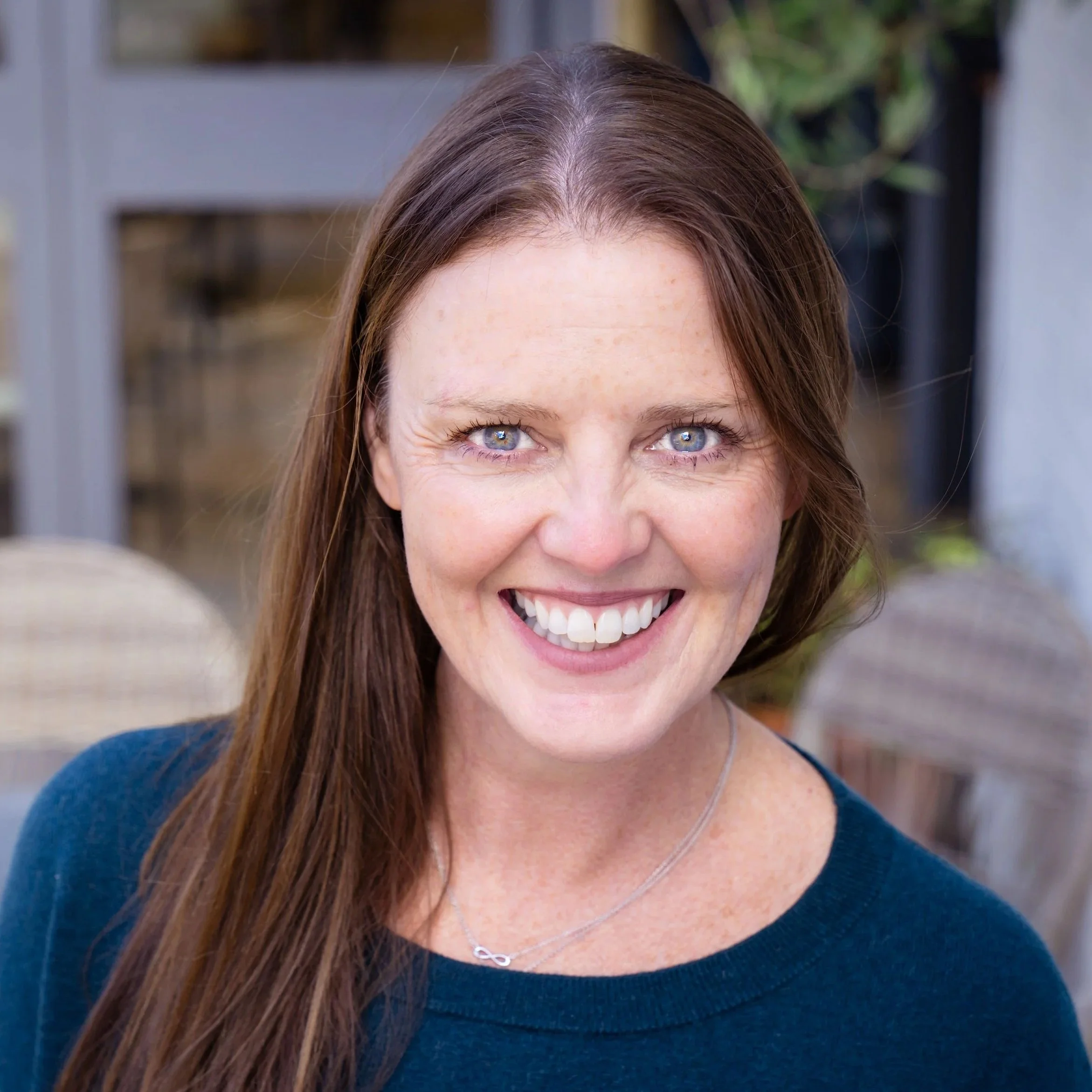
Angela Wilkins-Green, Green Path Coaching
Prior to this GP appointment, I was really lucky to have a session with a fellow MenoVida Ambassador who helped me so much with preparing for the appointment, getting my thoughts straight, and discussing my HRT options. It also gave validity to so many of my feelings and a safe space to chat.
I was then referred for repeat blood tests as well as scans and, suddenly, following these, 12 weeks from begging for that HRT review appointment, I was on a 2 week urgent pathway for suspected gynaecological cancer.
The strange thing was, even though this included the 'C' Word, on getting an appointment with the gynaecological team at Southmead Hospital, I told my husband I had good news, which unsurprisingly shocked and scared him, but I had this massive sense of relief that I was finally getting to see someone who I felt was going to listen to me.
I’ve read of many women refusing gynaecological procedures, thus putting their health at risk, due to the stories they read about others not being offered appropriate pain relief, and/or a lack of empathy, care, respect, and dignity shown by those in the healthcare setting. Unfortunately, I have also read an alarming number of such stories in women’s health groups. And sadly, this is something that is often talked about in miscarriage and baby loss support groups too - a lack of dignity and compassion shown, often at heart-breaking, life-changing moments.
I was fortunate, and am so thankful, to have had an amazing team in the gynaecological department at Southmead Hospital for my hysteroscopy and biopsy, especially having shared with them at the start of the appointment how much I find such experiences triggering from my miscarriage journey. The Consultant was amazing, listened to my experiences of baby losses and more recently, perimenopause, and offered to see me again for a follow up to review my HRT to avoid me having to go back to the GP. She even asked me for a hug before I left after the procedure, and I had hugs from the two nurses too!
I know how lucky I was on this occasion, and can only hope that more women have a similar experience to me, with the compassion and validation we deserve. My best advice is to be really open about how you’re feeling, and your worries and concerns, but please don’t leave it – it is so important to get checked out, and have things ruled out, especially when something just doesn’t feel right.
Thankfully the tests were all clear, she changed my medication, and signed me off.
Initially, I experienced severe daily cramps and bleeding (I was unable to contact anyone at the Gynaecological department on the number I’d been given, to check what I was experiencing was normal, despite numerous attempts to call; no-one returned my calls from a couple of voicemails I left), and it took a good few months of these physical symptoms for my body to adjust to the change of medication, but it finally started to calm down, and I was hopeful things were improving.
But, by May this year, I was in a mess again.
I simply couldn’t face trying to get a GP appointment; I have given up attempting to access support through my GP surgery, so I started looking for private alternatives.
I am fortunate to be able to do this, but many are not in the financial position to do so. And that means women, if unable to access the support they need from GPs, are facing health inequalities, just as it can be with miscarriage.
For many women, it can take 2, 3, or more attempts to find the right medication, dosage, combination, and it can all change again, even once you think you’ve nailed it.
A friend said to me recently when I said I was struggling, “get yourself on HRT”. I responded, I am already, I have been for 2 years.
But I still find myself struggling with physical, mental and emotional symptoms, some days more than ever.
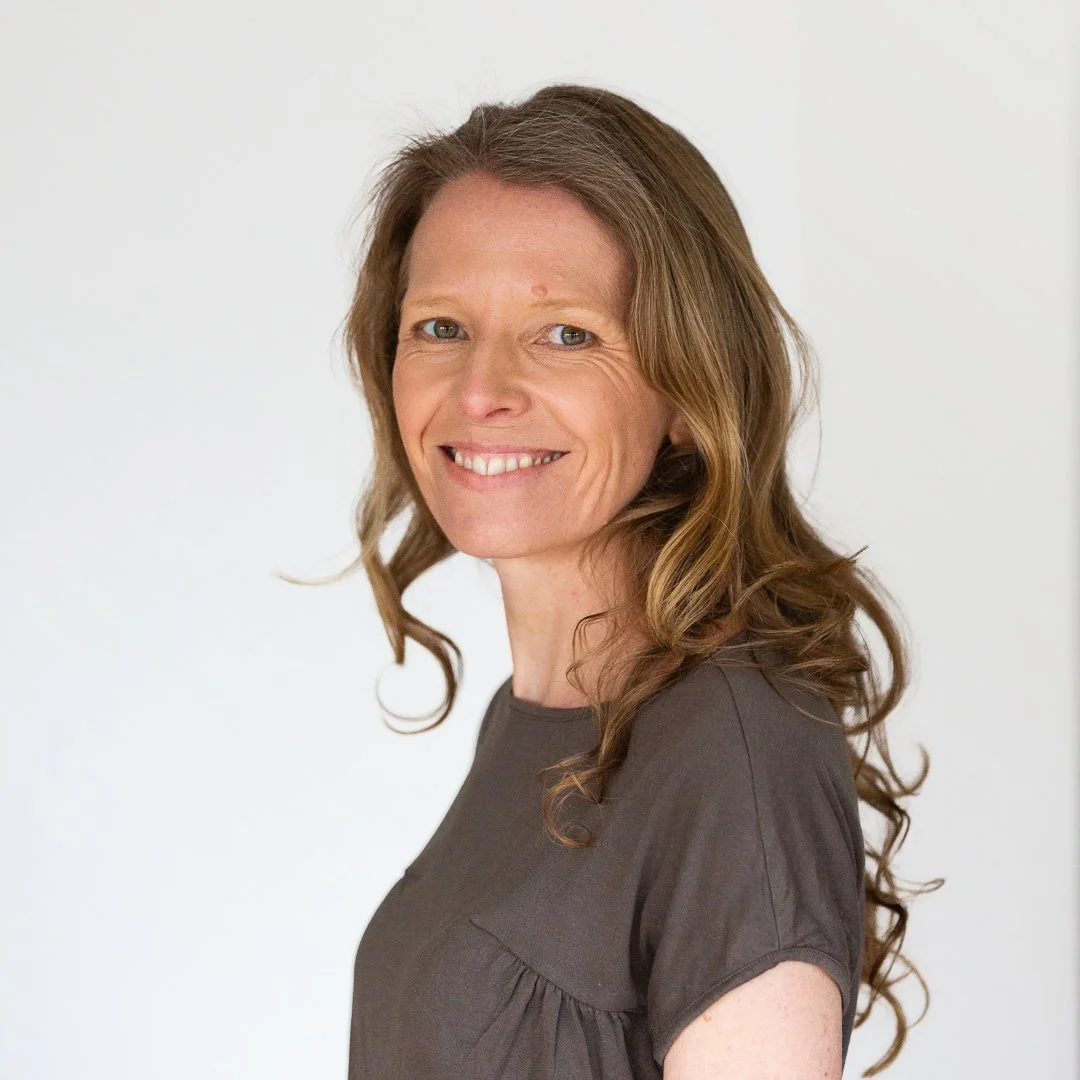
Dr Sam Morgan, RETHINK Menopause
I had an appointment with a Women’s Health & Menopause Specialist Doctor at the start of September, another fellow MenoVida Ambassador. During this consultation, I felt further validated around symptoms and feelings I have been experiencing, as well as menstrual and hormonal issues I have been reflecting on, right back to puberty and throughout my (premenopause) life - so much is starting to make sense.
We’ve changed my dosage and now it’s a waiting game for a few months to see if it improves.
Menopause Masking...
From the outside, and to most people who know me, everything might look fine. In fact, a few friends recently have commented on how well I look.
And I am ok…ish.
Yes, some friends know I struggle with my mental health, and that anxiety and panic attacks prevent me from doing certain things, but I’m not sure many would think that in private I breakdown from time to time, crying uncontrollably, find myself in a downward spiral that can be difficult to control, struggle to function, hate my mind & brain so much of the time, and more often than I’d like, just want to run, or disappear into a hole. I am lucky to have my husband supporting me, but it is so difficult to try and explain to him what is going on in my head, mind and body.
And there we are, women masking how much they’re struggling, concealing symptoms, trying to function at work, at home and in social situations, breaking down in private, while exerting so much emotional energy, not just on covering and making up for these challenges, but trying to seek the help, support and treatment they need, and deserve.
Research, training, education, awareness, understanding
Let’s be clear, this is not an attack on all GPs and the NHS.
Yes, my GP practice is shockingly bad (I clearly need to change surgeries), and I know I’m not the only one, from reading and hearing so many other stories of women being let down, but not all are, I’m sure.
Some healthcare/medical professionals are, or course, knowledgeable, well-informed, empathetic, supportive and offering excellent care to women navigating the peri/menopause journey. As I have said, the Gynaecological team at Southmead Hospital were fantastic when I got to see them, and most of the GPs I have spoken to at my surgery have been caring and supportive when I can get to them.
But sadly, even the best are still let down by the systems, processes and resources available, and there is a huge lack of research, training, understanding, awareness, education and support.
Women should not be pushed to breaking point, forced to beg for appointments, all the while feeling scared by what’s happening, desperate for help and answers, left thinking they’re losing their minds….there are significant and scary implications for women’s physical and mental health. I know this only too well.
Track, track, track
If you’ve read this far, and are already going through, or will go through peri/menopause at some point, or supporting someone who will, my biggest advice to help navigate the healthcare system is to keep notes of what you are experiencing and track symptoms. Get to know your body, mind and cycle, spot patterns, identify triggers…
I have so many notes on my phone, sports watch app and in a notebook, which I write, both for journaling to download my thoughts and emotions, but also for tracking symptoms in desperation to try and remember and record, see patterns, understand what is happening and when, and what might be affecting my mind and body at different times. This becomes even harder with cognitive challenges, when your cycle is all over the place, and/or there is no obvious cycle, or cycle at all.
And this is why MenoVida is so important, and one of my driving motivations for being an Ambassador.
“At MenoVida we’re on a mission to empower women through the menopause. That’s why we’re creating a personalised easy-to-use menopause App built by women for women. With privacy and accessibility built in at the core, we want every woman to have the data and essential insights they need at their fingertips to help validate their lived experiences and to advocate confidently for themselves.””
Why MenoVida?
Globally, healthcare systems aren't keeping pace with the complex needs of women in peri/menopause. Appointments are too short, expertise is patchy, and even the most dedicated providers are working within a system that wasn't designed for this.
MenoVida bridges this gap, for women and their healthcare providers. We translate your lived experience into clear, actionable data, creating a shared language for better conversations. When you arrive with tracked patterns and documented symptoms, your provider can move beyond basic questions to truly personalised care.
Better data, better conversations, better outcomes.”
The personalised GP report based on your symptoms and tracking will help get the most out of that 5-10 minute appointment in front of the GP, whether it be the first conversation you are having about peri/menopause/HRT, a follow up or annual review, or because you are concerned about symptoms.
The App is coming soon! Follow on social media or sign up for the monthly newsletter for updates...
Being part of the MenoVida Ambassador community has also meant being a part of a phenomenal, inspiring and supportive group of women, including healthcare and medical professionals, nutritionists, menopause specialists, coaches, with a mix of work and life experience, all with lived experience of perimenopause/postmenopause. Something we all have in common - we share MenoVida’s mission to empower women through the menopause, and advocate for women’s health.